Soft, Rotted & Sagging Subfloor Repair
Better Call Paul! Flooring & Restoration provides subfloor repair and replacement, floor joist repairs, and structural wood rot repairs throughout Mooresville and the Lake Norman area.

Subfloor Repair & Replacement in Mooresville, Troutman, Huntersville & Lake Norman, NC
Soft, sagging, or rotted floors can indicate moisture damage, deteriorating subfloor materials, or damaged structural framing. Better Call Paul! Flooring & Restoration provides subfloor replacement, floor joist repairs, and structural wood rot repairs throughout Mooresville and Lake Norman. We identify damaged materials, investigate contributing moisture conditions, and provide repairs designed to restore a solid, stable floor.
Your subfloor plays an important role in supporting your home's flooring system. When plywood, OSB, or the framing beneath it becomes damaged, you may notice soft spots, uneven surfaces, squeaking, or floors that feel unstable underfoot. These problems can develop gradually or occur after a plumbing leak, appliance failure, flooding, or prolonged exposure to moisture.
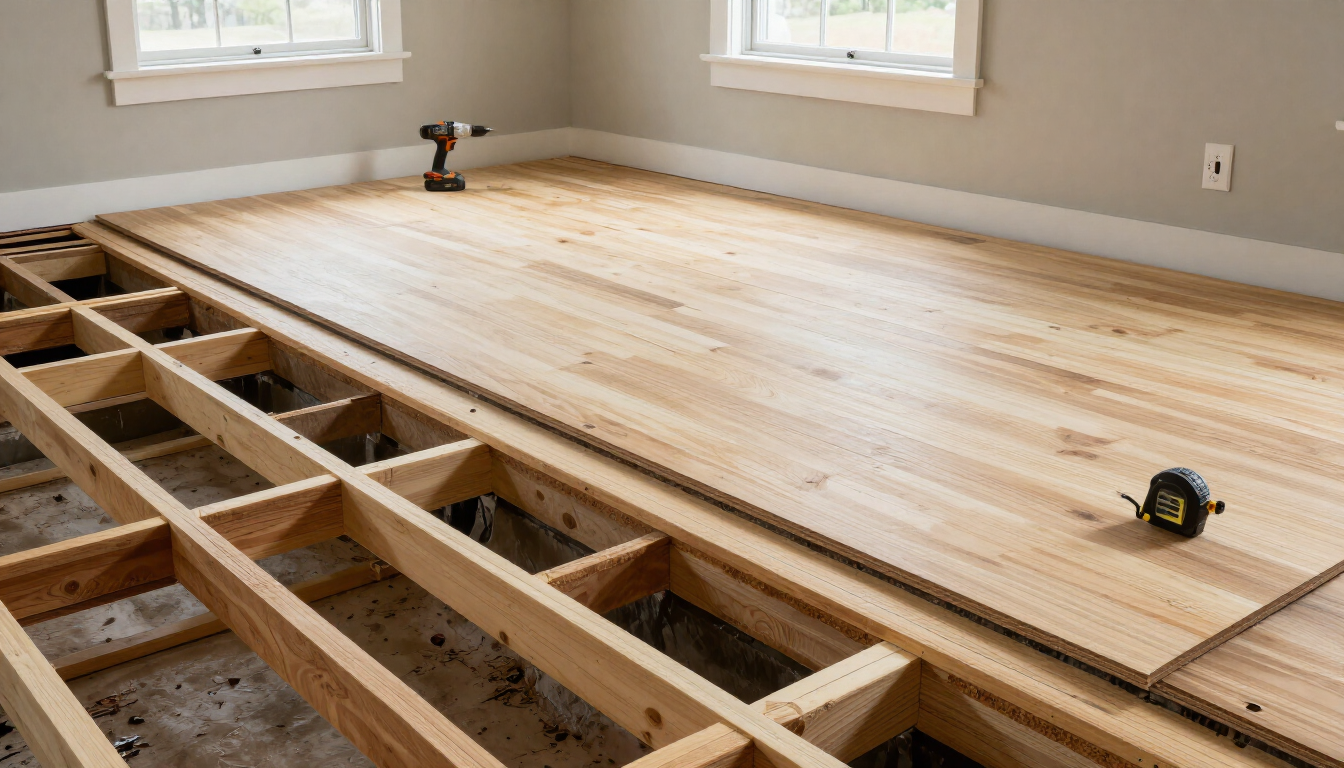
Our team helps homeowners identify the source of floor damage and determine which materials need repair or replacement. Whether you are dealing with a localized soft spot or more extensive water-related deterioration, we work to restore the strength and stability of your flooring system.
Contact Better Call Paul! Flooring & Restoration for subfloor repair in Mooresville, NC, and the surrounding Lake Norman communities.
Signs You May Need Subfloor Repair
Subfloor damage is not always visible from the surface. In many cases, the first signs appear when you walk across a room or notice changes in your flooring.
Common Warning Signs
Common warning signs include:
- Soft or spongy areas beneath your feet
- Floors that sag, dip, or feel uneven
- Squeaking or movement when walking across the floor
- Swollen, warped, or separating flooring materials
- Discolored flooring near sinks, bathrooms, kitchens, or appliances
- Plywood or OSB that appears swollen, crumbling, or deteriorated
- Persistent musty odors that may indicate hidden moisture
- Flooring that has become loose or separated from the subfloor
These symptoms can have several causes, and not every uneven or squeaky floor requires subfloor replacement. A professional inspection can help determine whether the problem involves the flooring surface, the subfloor, the floor joists, or moisture conditions beneath the home.
Soft or Spongy Floor Repair
A floor that feels soft, bouncy, or spongy when you walk across it may indicate weakened subfloor materials or problems with the underlying support system. The affected area might be small, such as a spot near a toilet or kitchen sink, or it may extend across a larger section of the room.
Soft floors can develop when moisture weakens wood-based subfloor panels, when fasteners loosen, or when the supporting framing deteriorates. In some cases, the flooring material itself is responsible for the sensation. Identifying the underlying cause is important before deciding on a repair.
Better Call Paul! Flooring & Restoration evaluates soft and spongy floors to determine the extent of the damage and identify the materials that need attention.
Depending on the condition of the floor, repairs may involve:
- Inspecting the affected flooring and subfloor
- Identifying areas of weakened or deteriorated material
- Removing damaged subfloor sections when necessary
- Replacing compromised plywood or OSB panels
- Repairing or reinforcing accessible supporting framing
- Preparing the repaired surface for new flooring installation
Our goal is to address the source of the instability rather than simply covering the problem with new flooring. Properly repairing the underlying structure helps create a more stable surface for the finished floor.
Rotted Plywood and OSB Subfloor Replacement
Plywood and oriented strand board (OSB) are commonly used as subfloor materials because they provide a supporting base for finished flooring. However, prolonged exposure to moisture can cause these materials to swell, soften, separate, or deteriorate.
Rotted or damaged subfloor panels may develop around plumbing fixtures, beneath leaking appliances, near exterior doors, or in other areas where water has repeatedly reached the floor.
Once wood-based subfloor materials have deteriorated significantly, installing new flooring over them will not resolve the underlying problem.
Better Call Paul! Flooring & Restoration provides plywood and OSB subfloor repair and replacement in Mooresville and the Lake Norman area. We assess the affected sections and determine whether localized repairs or more extensive replacement are appropriate.
Our Repair Process May Include
- Identifying visibly damaged or weakened panels
- Checking for moisture-related deterioration around the affected area
- Removing compromised plywood or OSB
- Inspecting the exposed supporting structure
- Replacing damaged panels with suitable subfloor materials
- Securing and preparing the repaired surface for new flooring
The scope of work depends on the severity of the damage, the accessibility of the affected area, and the condition of the supporting framing.
Replacing deteriorated subfloor materials provides a sounder foundation for new flooring and helps reduce the risk of recurring problems when the source of moisture has also been addressed.
Water-Damaged Subfloor Repair
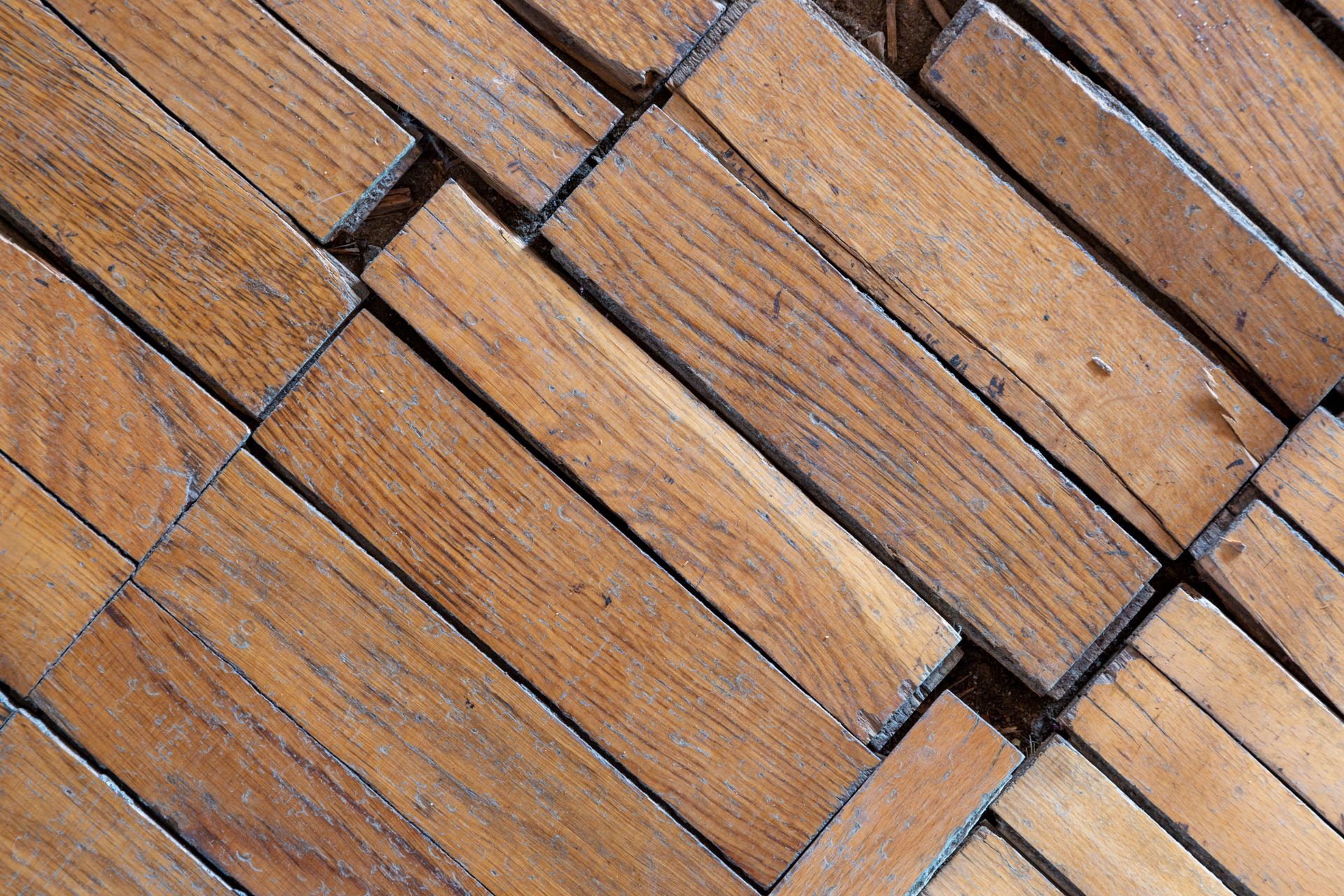
Water damage can affect more than the visible flooring in your home. When water from a plumbing leak, overflowing fixture, damaged appliance connection, or other source reaches the subfloor, moisture may become trapped beneath the finished surface.
Over time, this exposure can weaken plywood and OSB, damage flooring adhesives, and contribute to wood rot. If moisture reaches the structural framing, additional repairs may be necessary.
Better Call Paul! Flooring & Restoration provides water-damaged subfloor repair for homeowners throughout Mooresville, Huntersville, and the Lake Norman area.
We assess the affected flooring system to determine which materials can remain and which need to be removed or replaced. When the subfloor is exposed, we can evaluate its condition and identify visible signs of damage to the underlying structure.
Water-damaged subfloor services may include:
- Evaluating flooring and subfloor damage following a leak
- Identifying visible signs of moisture-related deterioration
- Removing damaged flooring and subfloor materials as needed
- Inspecting accessible floor joists and supporting wood components
- Replacing deteriorated subfloor sections
- Coordinating necessary repairs with the overall flooring restoration process
The source of the water intrusion should be corrected before affected materials are enclosed again. Depending on the situation, additional moisture assessment, drying, or remediation may be needed before reconstruction can proceed.
If your home has experienced a plumbing leak or other water damage, addressing the subfloor early can help prevent a localized issue from developing into a more extensive repair project.
Learn more about our Water Damage Restoration Services.
Floor Joist and Structural Framing Repair
Subfloor panels rely on the underlying floor joists and framing for support. When these structural components become damaged, the floor above them may sag, bounce, or feel unstable.
Floor joist problems can develop because of prolonged moisture exposure, wood rot, deterioration around plumbing leaks, or other structural issues. In some cases, the subfloor may be damaged alongside the framing, making it necessary to address both components.
Better Call Paul! Flooring & Restoration provides floor joist repair and structural wood rot repair as part of addressing damaged flooring systems.
Depending on the conditions found during inspection, repairs may involve:
- Examining accessible framing for visible signs of deterioration
- Identifying damaged wood near the affected subfloor
- Determining whether framing repairs or reinforcement are needed
- Addressing localized wood rot where accessible
- Coordinating subfloor replacement with necessary framing repairs
- Preparing the repaired floor system for subsequent flooring work
Structural repairs must be appropriate for the condition and configuration of the existing floor. Extensive joist damage, significant structural movement, or conditions requiring engineered repairs may require evaluation by a qualified structural professional.
Our priority is to identify the materials contributing to the problem and help establish a suitable repair plan before new flooring is installed.
Crawlspace Moisture Damage and Subfloor Problems
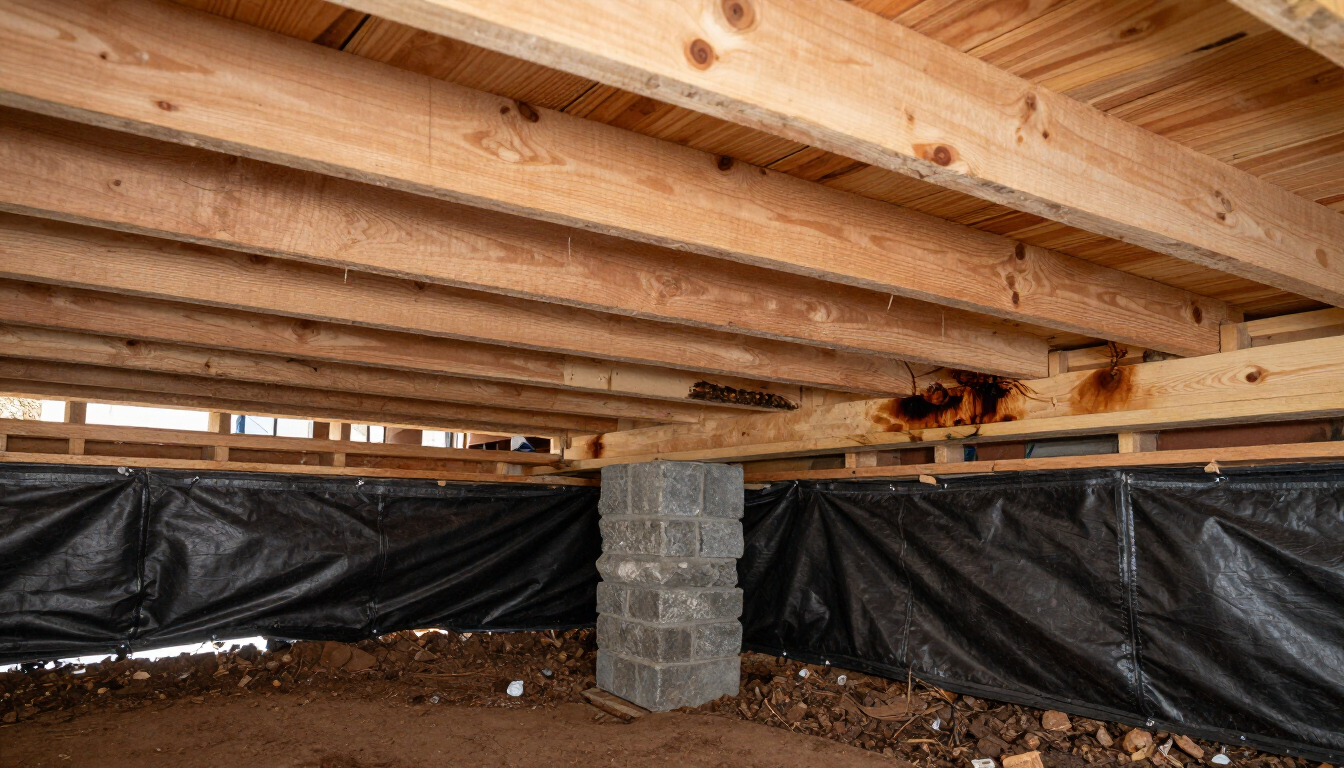
Moisture beneath your home can contribute to subfloor deterioration, wood rot, and damage to floor framing. In homes with crawlspaces, elevated humidity, standing water, plumbing leaks, or inadequate moisture control can affect the materials supporting the floor above.
Because crawlspace conditions are often hidden from everyday view, damage may not become apparent until the floor begins to feel soft, uneven, or unstable.
Better Call Paul! Flooring & Restoration helps homeowners investigate subfloor problems associated with crawlspace-related moisture damage in Mooresville and the surrounding Lake Norman communities.
Common warning signs may include:
Our approach may include evaluating accessible subfloor materials, identifying visible damage to supporting wood components, and determining which repairs are needed to restore the affected floor system.
Depending on the findings, additional crawlspace moisture-control work, plumbing repairs, or professional moisture remediation may be necessary. Correcting the contributing moisture conditions is an important step in helping protect repaired materials from further damage.
- Soft or sagging floors above a crawlspace
- Visible wood deterioration in accessible areas
- Musty odors that seem to originate beneath the home
- Recurring floor damage after previous water leaks
- Signs of standing water or persistent dampness in the crawlspace
- Deterioration around plumbing lines or other moisture sources
When crawlspace moisture is suspected, it is important to consider both the damaged flooring system and the conditions contributing to the deterioration.
Our Subfloor Repair Process
Every home has different flooring materials, structural conditions, and moisture-related concerns. We evaluate the affected area and develop a repair approach based on the damage present.
List of Services
-
Identify the ProblemList Item 1
We begin by assessing the reported symptoms, including soft spots, sagging, uneven flooring, or visible water damage. The goal is to identify the likely source of the problem and determine whether the flooring, subfloor, or supporting structure may be affected.
-
Assess the Damaged MaterialsList Item 2
Where accessible, we evaluate the condition of the subfloor and supporting wood components. The findings help determine whether the project requires a localized repair, subfloor panel replacement, or additional structural work.
-
Determine the Necessary RepairsList Item 3
We identify the materials that need to be removed, repaired, or replaced. If moisture has contributed to the damage, the source of the water intrusion should be addressed, and appropriate drying or remediation should be completed before affected areas are enclosed.
-
Repair or Replace the SubfloorList Item 4
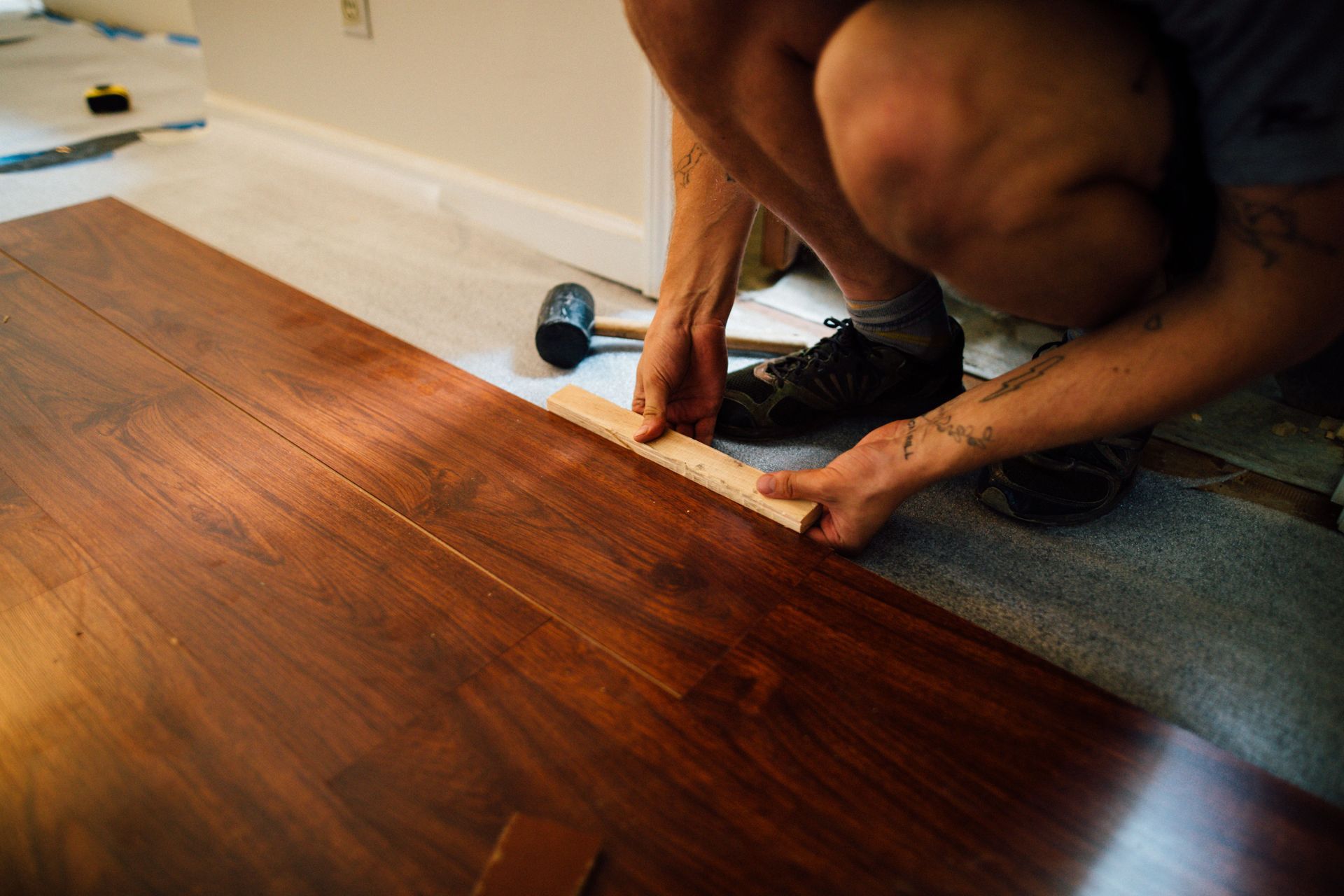
Damaged plywood or OSB sections are removed and replaced as needed. When the condition of the floor system requires it, appropriate framing repairs or reinforcement may also be part of the project.
-
Prepare the Surface for New Flooring
Once the necessary repairs are complete, the affected area can be prepared for the next stage of flooring work. Proper preparation helps provide a suitable base for the selected flooring material.
The exact process and timeline depend on the extent of the damage, the accessibility of the affected structure, and whether additional moisture-related or structural work is required.
Why Choose Better Call Paul! Flooring & Restoration?
When your floors feel unstable or show signs of water damage, it is important to look beyond the visible surface.
Better Call Paul! Flooring & Restoration helps homeowners in Mooresville, Huntersville, Troutman, and the Lake Norman area address damaged subfloors and related flooring problems.
List of Services
-
A Practical Approach to Floor DamageList Item 1
We focus on identifying the affected materials and determining the repairs needed to restore the stability of the flooring system.
-
Subfloor and Flooring Services in One PlaceList Item 2
From damaged subfloor panels to preparation for replacement flooring, we help coordinate the work needed to move your project toward completion.
-
Attention to Moisture-Related ProblemsList Item 3
Water intrusion can affect multiple layers of a floor. We consider visible signs of moisture damage and the condition of accessible materials when determining the appropriate repairs.
-
Local Service and Free EstimatesList Item 4
We serve homeowners throughout the Mooresville and Charlotte metro area and offer estimates to help you understand the work your flooring project may require.
Frequently Asked Questions About Subfloor Repair
What causes a subfloor to become soft or spongy?
Soft or spongy floors can result from water damage, deteriorating plywood or OSB, loose connections, or problems with the underlying floor joists. An inspection can help determine the cause and identify the appropriate repair.
Can a damaged subfloor be repaired without replacing the entire floor?
Yes. If the damage is limited to a specific section, it may be possible to remove and replace only the affected subfloor panels. The extent of the repair depends on the condition of the surrounding materials and supporting structure.
How do I know if my subfloor is rotting?
Common signs include soft spots, swelling, crumbling wood-based panels, persistent musty odors, and flooring that feels unstable. Some deterioration remains hidden beneath the finished flooring, so further inspection may be necessary.
Can water damage affect floor joists?
Yes. When moisture reaches the framing beneath a floor and remains there, it can contribute to wood deterioration and rot. The affected joists should be evaluated to determine whether repairs or reinforcement are needed.
Will new flooring fix a soft or sagging floor?
Not necessarily. New flooring will not correct a weakened subfloor or damaged structural framing. The underlying issue should be evaluated and repaired before installing replacement flooring.
Can crawlspace moisture cause floor damage?
Yes. Persistent moisture beneath a home can contribute to deterioration of subfloor panels and accessible wood framing. Identifying and addressing the moisture source is important when repairing affected materials.
How much does subfloor repair cost?
The cost depends on the size of the damaged area, the type of subfloor material, the condition of the floor joists, and whether moisture-related repairs are necessary. An estimate can help establish the scope and expected cost of the work.
Do I need to replace my flooring when repairing the subfloor?
It depends on how the damage occurred and which materials are affected. Some projects require removing and replacing a portion of the finished flooring to access the subfloor. If the finished flooring is damaged or cannot be reused, replacement may be necessary.
Schedule Subfloor Repair in Mooresville, NC
Soft spots, sagging floors, and water-damaged subfloor materials should not be ignored. Identifying the problem early can help you understand the necessary repairs and prevent additional deterioration when moisture is involved.
Better Call Paul! Flooring & Restoration provides subfloor repair, subfloor replacement, floor joist repairs, and structural wood rot repairs throughout Mooresville, Huntersville, Troutman, and the Lake Norman area.
Whether you are dealing with a soft floor near a bathroom, rotted subfloor panels after a plumbing leak, or suspected crawlspace moisture damage, we can help you determine the next steps.
Contact Better Call Paul! Flooring & Restoration today to request an estimate.
Call: (704) 565-9108
Serving Mooresville, Huntersville, Troutman, Lake Norman, and the surrounding Charlotte metro area.