Tile or Flooring Replacement After Leaks in Mooresville, NC
Water leaks inside a home can quickly damage flooring materials, especially when moisture spreads beneath tile, hardwood, laminate, or other flooring systems. Even small plumbing leaks or appliance failures can allow water to travel under flooring surfaces, weakening adhesives, damaging subfloors, and causing tiles or boards to shift out of place.
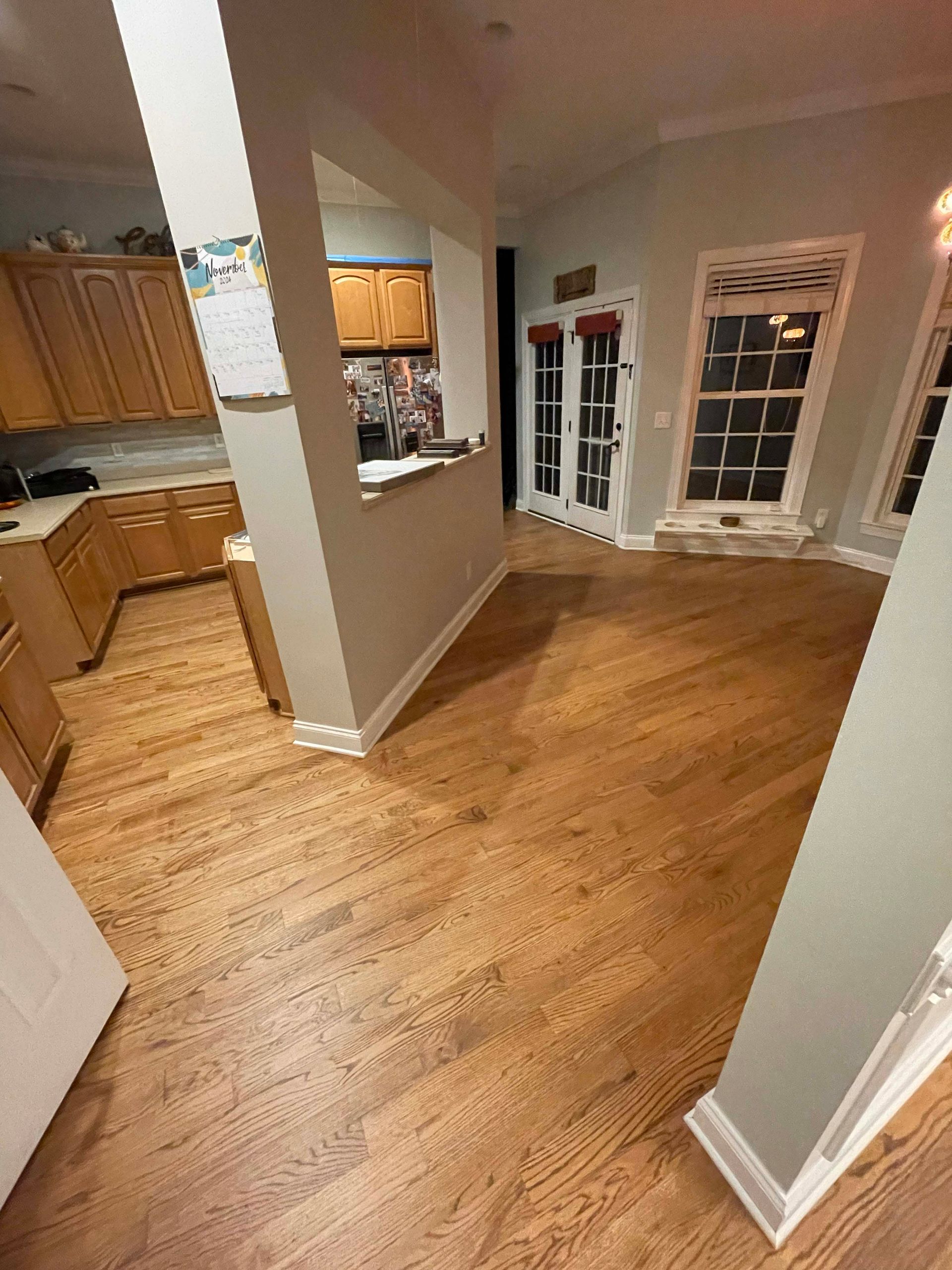
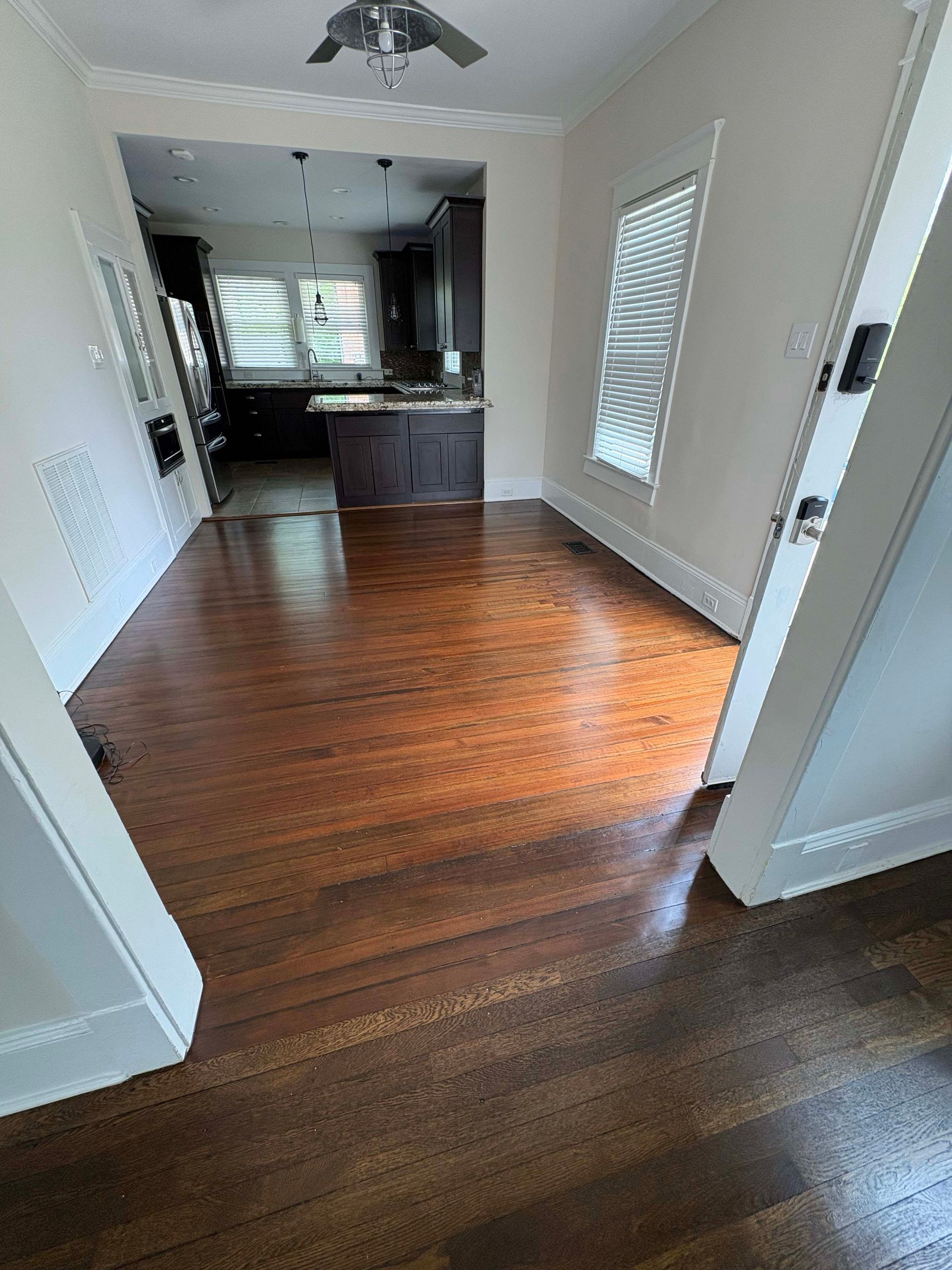
Better Call Paul provides tile or flooring replacement after leaks in Mooresville, NC, helping homeowners restore floors that have been damaged by plumbing failures, appliance leaks, and other water-related issues. Homes in the Lake Norman and Huntersville areas often experience flooring damage after leaks beneath sinks, dishwashers, refrigerators, or washing machines. Replacing affected flooring materials ensures the home’s flooring structure remains safe and stable.
How Water Leaks Damage Tile and Flooring
Water can travel far beyond the original source of a leak. Once moisture reaches flooring surfaces, it may penetrate between seams, grout lines, or beneath flooring materials where it becomes trapped.
Plumbing Pipe Leaks
Leaking supply lines or drain pipes located beneath sinks, behind walls, or under floors can slowly release water into surrounding areas. Over time, this moisture can spread under tile or flooring materials, causing damage that may not be visible right away.
Appliance Water Line Failures
Appliances such as dishwashers, refrigerators with water dispensers, and washing machines rely on pressurized water supply lines. When these lines fail, water can accumulate beneath nearby flooring and begin affecting the materials below the surface.
Grout or Seal Failure Around Tile
Tile floors are designed to resist moisture, but cracked grout or deteriorated sealant can allow water to seep underneath the tile. When this occurs, the underlying adhesives and subfloor materials may begin to deteriorate.
Standing Water From Overflow Events
Overflowing sinks, toilets, or tubs can quickly saturate flooring. If water remains on the surface for extended periods, it may penetrate the flooring system and weaken both the surface materials and the subfloor.
Signs That Flooring Needs Replacement After a Leak
Water damage often changes the appearance and stability of flooring materials. Recognizing these signs can help homeowners determine when flooring replacement may be necessary.
Loose or Moving Tiles
Tile floors that shift or move when stepped on often indicate that the adhesive beneath the tile has weakened due to moisture exposure.
Cracked or Lifting Flooring
Water trapped beneath flooring materials can cause tiles, laminate, or hardwood boards to lift or separate from the surface beneath them.
Discoloration or Staining
Dark stains or uneven coloring on flooring may signal that moisture has been present for an extended period. This can indicate damage to both the surface flooring and the materials underneath.
Persistent Moisture or Odors
If moisture becomes trapped beneath flooring materials, it can lead to musty odors or signs of mold growth. This often means the flooring system needs to be removed and replaced.
The Flooring Replacement Process After Water Damage
Replacing tile or flooring after a leak requires more than simply installing new materials on the surface. The entire flooring structure must be evaluated to ensure that no moisture remains beneath the new flooring.
Inspection of the Damaged Area
The repair process begins by identifying the source of the leak and evaluating the extent of the water damage. Moisture detection tools help determine whether the damage has spread beyond the visible flooring surface.
Removal of Damaged Flooring Materials
In most cases, the damaged flooring must be removed to expose the subfloor underneath. Removing the affected materials allows the area to be fully dried and inspected.
Subfloor Evaluation and Repairs
Water from leaks often reaches the subfloor beneath tile or flooring. If the subfloor has absorbed moisture or deteriorated, repairs may be necessary before installing replacement flooring.
Installation of Replacement Flooring
Once the subfloor has been repaired and the area has been properly dried, new flooring materials can be installed. This may include tile, hardwood, laminate, or other flooring systems that match the surrounding areas of the home.
Insurance Claims for Flooring Replacement After Leaks
Flooring damage caused by sudden plumbing failures or appliance leaks is often covered by homeowner insurance policies. However, the insurance process can be confusing for homeowners dealing with water damage.
Better Call Paul helps homeowners in Mooresville, Lake Norman, and Huntersville navigate the repair process when flooring replacement is part of an insurance claim.
Documenting Water Damage
Insurance companies typically require documentation of the water damage before approving repair work. Detailed inspections and written estimates help establish the scope of flooring replacement needed.
Providing Repair Estimates for Adjusters
Insurance adjusters often require repair estimates outlining the removal of damaged flooring, any subfloor repairs, and the installation of replacement materials.
Helping Homeowners Navigate the Claim Process
Providing accurate repair information can help homeowners understand how flooring replacement fits within their insurance claim and what repairs may be approved.
Tile and Flooring Replacement After Leaks in Lake Norman and Huntersville
When water leaks damage flooring, replacing the affected materials helps restore both the appearance and structural stability of the home. Addressing water damage promptly also prevents further issues such as mold growth or subfloor deterioration.
Better Call Paul provides tile or flooring replacement after leaks in Mooresville, NC, and throughout the Lake Norman and Huntersville areas. Whether flooring has been damaged by plumbing leaks, appliance failures, or unexpected water exposure, replacing the affected materials ensures the flooring system is properly restored..