Professional Water Damage Restoration & Structural Drying
Water damage can affect more than the visible surfaces of your home. Plumbing leaks, appliance failures, and unexpected water intrusion can allow moisture to spread into flooring, subfloors, drywall, and structural wood components. Without proper drying and repairs, hidden moisture can contribute to material deterioration, persistent odors, and additional property damage.
Better Call Paul! Flooring & Restoration provides water damage restoration, moisture detection, structural drying, and reconstruction services in Mooresville and the Lake Norman area. We address damage caused by plumbing leaks, appliance leaks, and water intrusion. Our services include professional dehumidification, moisture monitoring, damaged material removal, subfloor replacement, hardwood restoration, drywall repairs, and interior reconstruction.
Whether your home has experienced a localized plumbing leak or more extensive water damage, we assess the affected materials and determine the work needed to restore your property. We also provide detailed estimates and damage documentation for both insurance-related and self-pay restoration projects.
Contact Better Call Paul! Flooring & Restoration to request an estimate for water damage restoration in Mooresville, NC, and the surrounding Lake Norman communities.

Water Damage Restoration Services
Water can travel beneath flooring, behind walls, and into building materials that are not immediately visible. As a result, effective restoration involves more than removing standing water or replacing damaged flooring.
Our water damage restoration services focus on evaluating affected areas, identifying moisture concerns, drying materials when appropriate, and completing necessary repairs.
Water Damage Assessment and Moisture Detection
Before restoration work begins, it is important to understand where moisture has spread and which materials may be affected.
A visible stain or wet floor does not always show the full extent of water damage. Moisture can remain trapped beneath hardwood flooring, inside subfloor materials, or behind drywall after the surface appears dry.
Our assessment process may include:
- Inspecting visibly affected flooring, walls, and other surfaces
- Identifying potential areas of hidden moisture
- Using appropriate moisture detection equipment
- Evaluating accessible subfloor materials for signs of deterioration
- Identifying materials that may require drying, removal, or replacement
- Developing a repair plan based on the observed conditions
The findings help determine the appropriate restoration steps and whether additional evaluation is needed before reconstruction.
Structural Drying and Water Damage Cleanup
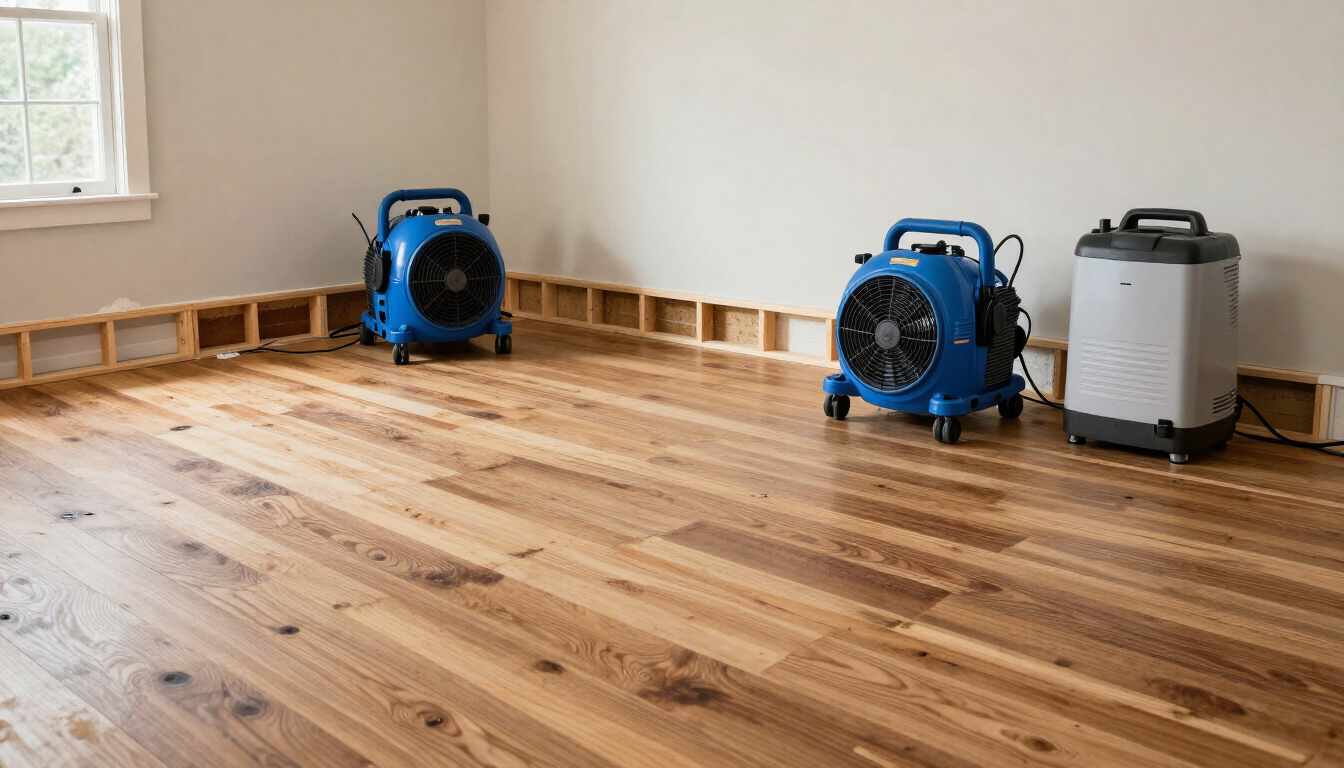
Structural drying helps remove excess moisture from building materials following water intrusion. Depending on the extent of the damage, affected materials may include flooring, subfloors, wall assemblies, and accessible structural wood components.
Simply allowing a wet area to air-dry may not be sufficient, particularly when moisture has penetrated multiple layers of a building assembly.
Better Call Paul! Flooring & Restoration evaluates the affected areas to determine the appropriate drying and repair approach.
Our structural drying services may involve:
Plywood and oriented strand board (OSB) are commonly used as subfloor materials because they provide a supporting base for finished flooring. However, prolonged exposure to moisture can cause these materials to swell, soften, separate, or deteriorate.
Rotted or damaged subfloor panels may develop around plumbing fixtures, beneath leaking appliances, near exterior doors, or in other areas where water has repeatedly reached the floor.
Once wood-based subfloor materials have deteriorated significantly, installing new flooring over them will not resolve the underlying problem.
Better Call Paul! Flooring & Restoration provides plywood and OSB subfloor repair and replacement in Mooresville and the Lake Norman area. We assess the affected sections and determine whether localized repairs or more extensive replacement are appropriate.
- Assessing moisture conditions in affected materials
- Identifying areas that require targeted drying
- Using appropriate air-moving equipment
- Setting up drying equipment based on site conditions
- Monitoring moisture levels during the drying process
- Determining when materials are ready for subsequent repairs, based on appropriate drying criteria
Some materials may be suitable for drying and restoration, while others may be too damaged to salvage. Our recommendations depend on the condition of the affected materials, the type of water intrusion, and the extent of the damage.
Professional Dehumidification Services
Dehumidification is an important part of many water damage restoration projects. When moisture enters a home, humidity can increase as water evaporates from affected surfaces and materials.
Excess humidity can slow the drying process and contribute to continued moisture exposure. Professional dehumidification helps manage humidity while supporting the removal of moisture from affected areas.
Depending on the project, our restoration process may include:
- Placing appropriately sized dehumidification equipment
- Managing humidity in affected areas
- Supporting the drying of suitable building materials
- Monitoring changing moisture conditions
- Adjusting the drying approach based on observed results
The equipment and drying strategy depend on the size of the affected area, the materials involved, and the amount of moisture present.
Proper drying is an important step before closing walls, installing replacement flooring, or completing other reconstruction work.
Moisture Monitoring During Restoration
Dry-looking surfaces do not always indicate that the underlying materials have reached suitable moisture levels. This is particularly important when water has affected hardwood floors, plywood, OSB, or other porous building materials.
Moisture monitoring helps evaluate drying progress and identify areas that may need additional attention.
During restoration, appropriate monitoring may include:
- Checking moisture levels in affected materials
- Comparing readings across different areas
- Identifying locations that remain damp
- Evaluating progress as drying equipment operates
- Assessing readiness for repairs and reconstruction
Monitoring helps inform decisions about the next steps in the restoration process. Drying requirements vary depending on the material, environmental conditions, and extent of water damage.
Water-Damaged Flooring and Subfloor Restoration
Flooring is particularly vulnerable to water intrusion because moisture can spread beneath the visible surface. Depending on the flooring type and the severity of the damage, restoration may involve drying, localized repairs, or replacement of affected materials.
Better Call Paul! Flooring & Restoration provides flooring-related water damage repairs throughout Mooresville and the Lake Norman area.
Hardwood Floor Water Damage Repair
Hardwood flooring can absorb moisture, causing boards to swell, cup, warp, or separate. Water trapped beneath hardwood may also affect the subfloor and other components of the flooring system.
Our hardwood restoration services may include:
- Assessing visible hardwood floor damage
- Evaluating moisture conditions affecting the flooring
- Determining whether affected boards can be retained
- Removing and replacing damaged hardwood where necessary
- Inspecting accessible subfloor materials
- Preparing repaired areas for appropriate flooring restoration
The best approach depends on the type of hardwood, the duration of moisture exposure, and the condition of the surrounding materials. Some floors may be candidates for drying and refinishing, while others require partial or more extensive replacement.
Water-Damaged Subfloor Replacement
The subfloor provides structural support beneath your finished flooring. When water reaches plywood or OSB panels, the material may swell, soften, or deteriorate.
In more severe cases, moisture exposure can contribute to wood rot and damage to supporting floor joists.
Better Call Paul! Flooring & Restoration evaluates water-damaged subfloors to determine whether repairs or replacement are needed.
Subfloor restoration may involve:
- Removing damaged flooring to access the subfloor
- Inspecting exposed plywood or OSB panels
- Identifying visible signs of moisture-related deterioration
- Replacing compromised subfloor sections
- Evaluating accessible supporting framing
- Preparing the repaired surface for new flooring
Replacing damaged materials helps establish a suitable foundation for the next stage of flooring installation.
Learn more about our Subfloor Repair and Replacement Services.
Drywall Repair After Water Damage
Water intrusion can leave drywall stained, swollen, softened, or otherwise damaged. Depending on the source of the water and the extent of exposure, affected drywall may need to be removed and replaced.
Our restoration and repair process considers the condition of the affected wall surfaces and whether moisture remains within the surrounding materials.
Drywall repairs may include:
- Assessing visible water stains and deterioration
- Identifying damaged sections that require removal
- Coordinating appropriate drying and moisture assessment
- Replacing damaged drywall where necessary
- Preparing repaired surfaces for finishing and painting
Before rebuilding an affected wall, the source of water intrusion should be addressed, and appropriate drying or remediation should be completed. Materials that cannot be adequately restored may require replacement.
Damaged Material Removal and Replacement
Not every water-damaged material can be restored through drying alone. Some materials may lose their structural integrity, while others may be unsuitable for retention because of the type or extent of contamination.
When removal is necessary, we identify the affected materials and determine the work needed to prepare the area for reconstruction.
Depending on the project, this may include removing damaged flooring, deteriorated subfloor panels, affected drywall, or other compromised interior materials.
The extent of removal depends on the site conditions and the findings of the restoration assessment.
Insurance Damage Documentation and Restoration Estimates
Water damage can create unexpected repair expenses, and homeowners may need detailed information to evaluate their restoration options.
Better Call Paul! Flooring & Restoration works with customers handling insurance-related restoration projects as well as those paying for repairs themselves.
Our goal is to provide clear information about the visible damage, the proposed repairs, and the work required to restore affected areas.
Water Damage Reconstruction and Interior Repairs
Drying and removing damaged materials are only part of the restoration process. Once the affected areas have been assessed and appropriately prepared, reconstruction may be needed to return your home to a functional condition.
Better Call Paul! Flooring & Restoration provides reconstruction and interior repair services associated with water damage projects.
Depending on the scope of work, reconstruction may include:
- Replacing damaged subfloor materials
- Repairing or replacing affected hardwood flooring
- Installing replacement flooring materials
- Completing drywall repairs
- Preparing repaired surfaces for finishing
- Coordinating related interior restoration work
The reconstruction process depends on the condition of the property and the materials that were affected.
Before installing new flooring or closing repaired wall assemblies, the underlying conditions should be addressed and appropriate drying requirements satisfied. This helps ensure that restoration work proceeds on a suitable foundation.
Our goal is to help homeowners move from damage assessment and drying to the necessary repairs and reconstruction through a coordinated process.
Water Damage Restoration for Insurance and Self-Pay Projects
Not every restoration project follows the same payment process. Some homeowners work with their insurance company after a covered incident, while others choose to pay directly for repairs.
Better Call Paul! Flooring & Restoration accommodates both insurance-related and self-pay restoration projects in Mooresville and the Lake Norman area.
Insurance-Related Projects
For projects involving an insurance claim, we can provide detailed estimates and relevant damage documentation to support communication about the proposed repair work. We can also coordinate discussions about the scope of repairs when appropriate.
Insurance coverage and payment decisions remain with the insurer and depend on the applicable policy and claim review.
Self-Pay Restoration Projects
For homeowners paying directly, we provide estimates that outline the proposed work and help explain the restoration options available.
This allows you to evaluate the recommended repairs, understand the anticipated scope, and make informed decisions about your property.
Whether you are working through an insurance claim or arranging repairs independently, we focus on identifying the necessary work and providing a clear path toward restoration.
Why Choose Better Call Paul! Flooring & Restoration?
Water damage can affect multiple parts of a home, from visible flooring to the materials beneath it. Choosing a contractor who understands flooring repairs and related restoration work can help you address these interconnected issues.
List of Services
-
Flooring and Structural Repair ExperienceList Item 1
Our work includes flooring restoration, subfloor replacement, and repairs to damaged interior materials. This experience helps us evaluate how water intrusion may affect different parts of a flooring system.
-
A Focus on Moisture and Material ConditionsList Item 2
We consider visible damage and moisture conditions when determining the appropriate next steps. Identifying affected materials helps establish whether drying, repair, or replacement is necessary.
-
Restoration and Reconstruction ServicesList Item 3
From damaged flooring to drywall repairs and subfloor replacement, we can address multiple aspects of a restoration project based on its scope.
-
Clear Estimates and Project CommunicationList Item 4
We provide estimates to help homeowners understand the proposed work. For insurance-related projects, appropriate documentation and scope coordination can also help communicate the repairs being recommended.
-
Local Service in Mooresville and Lake Norman
Better Call Paul! Flooring & Restoration serves Mooresville, Huntersville, Troutman, and surrounding communities throughout the Charlotte metro area.
We provide restoration and repair services tailored to the conditions found at each property.
Frequently Asked Questions About Water Damage Restoration
What should I do if my home has water damage?
If it is safe to do so, address the source of the water and prevent additional intrusion. Avoid entering areas with electrical hazards or structural concerns. Document visible damage when possible, and arrange for an assessment to determine which materials need drying, repair, or replacement.
How does structural drying work?
Structural drying involves removing excess moisture from affected building materials and managing environmental conditions to support drying. Depending on the project, this may involve air-moving equipment, dehumidification, and moisture monitoring.
The appropriate approach depends on the materials involved, the extent of water intrusion, and the conditions at the property.
Why is dehumidification important after water damage?
Water evaporating from wet materials can increase indoor humidity. Dehumidification helps manage that humidity and supports the removal of moisture from affected areas.
It is often used alongside other drying methods to help achieve suitable conditions before reconstruction.
How do you know when a property is dry enough for repairs?
Moisture monitoring can help evaluate drying progress. Appropriate moisture measurements, material conditions, and project-specific drying criteria help determine when affected areas are ready for subsequent work.
A surface that feels dry does not necessarily mean moisture has been removed from the underlying materials.
Can water-damaged hardwood floors be saved?
Sometimes. The outcome depends on the type of hardwood, how long it was exposed to moisture, and the severity of the damage. Some floors can be dried and restored, while severely warped or deteriorated boards may need replacement.
An assessment can help determine the most appropriate option.
When does a water-damaged subfloor need to be replaced?
Subfloor replacement may be necessary when plywood or OSB has swollen significantly, deteriorated, lost structural integrity, or developed rot. Localized damage may allow for partial replacement rather than removal of the entire subfloor.
The decision depends on the condition of the affected materials and supporting structure.
Do you work with insurance claims?
Yes. We handle insurance-related restoration projects and can provide detailed estimates and relevant damage documentation to help communicate the proposed repairs. We can also coordinate discussions about the repair scope when appropriate.
Insurance coverage and claim approval are determined by the insurer and the terms of the policy.
Can I pay for water damage restoration without filing an insurance claim?
Yes. We also work with homeowners who choose to pay directly for restoration. We can provide an estimate outlining the proposed repairs so you can evaluate the work and make an informed decision.
How much does water damage restoration cost?
The cost depends on the source and extent of the damage, the materials affected, the amount of drying required, and the reconstruction work involved.
A localized flooring repair will generally have a different scope from a project involving subfloor replacement, drywall removal, and multiple interior repairs. An assessment and detailed estimate can help clarify the expected work and cost.
How long does water damage restoration take?
The timeline depends on the severity of the water damage, the materials involved, the drying conditions, and the amount of reconstruction required.
Some projects involve localized repairs, while others require more extensive drying and rebuilding. The anticipated timeline can be discussed after evaluating the property.
Request a Water Damage Restoration Estimate in Mooresville, NC
Water intrusion can damage flooring, subfloors, drywall, and other building materials, sometimes leaving moisture hidden beneath otherwise dry-looking surfaces. Understanding the extent of the damage is an important first step toward planning the necessary repairs.
Better Call Paul! Flooring & Restoration provides water damage restoration, moisture detection, structural drying, dehumidification, subfloor replacement, hardwood restoration, drywall repairs, and reconstruction services throughout Mooresville and the Lake Norman area.
We work with both insurance-related and self-pay projects, providing estimates and restoration services based on the conditions found at your property.
If your home has experienced a plumbing leak, appliance leak, or other water intrusion, contact our team to discuss your restoration needs.
Call Better Call Paul! Flooring & Restoration at (704) 565-9108 to request an estimate.
Serving Mooresville, Huntersville, Troutman, Lake Norman, and the surrounding Charlotte metro area.